You’ve read them. You’ve felt that slow creep up your spine—only for it to fizzle halfway through. Most psychological horror books promise dread, but deliver cheap jump scares disguised as depth. They rely on clichéd tropes: haunted houses, amnesia, demonic voices in mirrors. Real psychological horror doesn’t scream. It whispers. And most authors don’t know how to whisper—they just shout louder. But there’s a subset of novels that weaponize silence, ambiguity, and human fragility with surgical precision. We’ll show you how to spot them—and why 90% of readers miss them entirely.
The Core Problem: Why Standard psychological horror books Fall Flat
Most writers confuse tension with terror. They equate psychological horror with supernatural events filtered through a “mentally unstable” protagonist. That’s not psychological horror—that’s ghost stories with therapy notes stapled to the cover.
True psychological horror emerges from cognitive dissonance, unreliable perception, and the collapse of self-trust. Yet publishers push formulaic thrillers because they’re easier to market. The result? A flooded market of look-alike paperbacks where nothing lingers after the last page.
And readers keep buying them—hoping this time, the unease will stick.
How to Identify & Experience Authentic Psychological Horror Books
Finding real psychological horror isn’t about scanning bestseller lists. It’s about pattern recognition—knowing which narrative devices trigger genuine existential doubt versus manufactured suspense.
Focus on Narrative Unreliability Over Supernatural Elements
If ghosts, demons, or poltergeists drive the plot, you’re in paranormal territory—not psychological horror. The terror should stem from the mind’s deterioration, not external entities. Think We Have Always Lived in the Castle, not The Conjuring.
Prioritize Atmosphere Over Plot Twists
A twist means nothing if it doesn’t reframe your understanding of reality within the story. Strong psychological horror builds a suffocating atmosphere where every detail feels off-kilter—like a photograph slightly out of focus. The horror lives in the static between what’s said and what’s implied.
Evaluate the Protagonist’s Relationship with Truth
The best psychological horror protagonists lie—to others, to themselves, to the reader. Their grip on reality frays so subtly you don’t notice until it’s gone. That slow unraveling? That’s the sweet spot.
| Novel Trait | Superficial Horror | Authentic Psychological Horror |
|---|---|---|
| Catalyst of Fear | External monster or event | Internal cognitive collapse |
| Narrative Voice | Omniscient or detached third-person | Deeply subjective, possibly unreliable first-person |
| Resolution | Evil defeated or escaped | Ambiguous; often no clear escape or victory |
| Reader Aftereffect | Relief | Existential unease that lasts days |
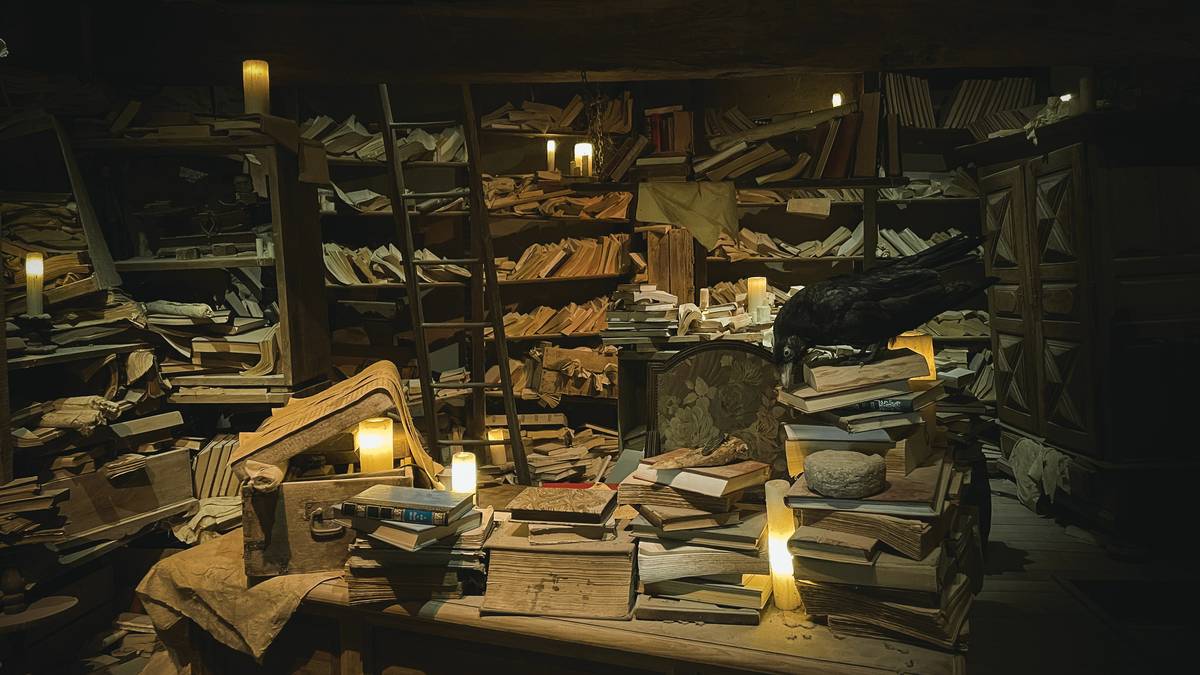
The Industry Secret: Publishers Hide These Books in Plain Sight
Here’s what no one tells you: many of the most effective psychological horror books aren’t shelved under “Horror.” They’re buried in Literary Fiction, Crime, or even Historical sections—because labeling them “horror” would scare off mainstream audiences who associate the genre with gore and jump scares.
Take Shirley Jackson’s The Haunting of Hill House. Yes, it has a haunted mansion—but the real horror is Eleanor’s dissolving identity. Yet modern editions are often marketed as Gothic romance or classic literature, scrubbing the horror label entirely. Same with Patricia Highsmith’s The Talented Mr. Ripley—a masterpiece of sociopathic psychology disguised as a thriller.
The math is simple: if a book makes you question your own judgment after reading, and its cover looks like it belongs in a university syllabus—it’s probably elite-tier psychological horror masquerading as something else.
Frequently Asked Questions
What defines a psychological horror book?
It centers on mental, emotional, or perceptual instability as the source of fear—not supernatural forces. Reality itself becomes unreliable.
Are psychological horror books scarier than supernatural ones?
For many readers, yes—because they exploit real human vulnerabilities: paranoia, guilt, memory distortion. You can’t exorcise a thought.
Can psychological horror books affect mental health?
Temporarily, yes—especially if you’re prone to anxiety. But like controlled exposure therapy, they can also build resilience when consumed mindfully.