Ever played a horror game that left you genuinely unsettled—not because of jump scares, but because it wormed its way into your thoughts for days? That’s the power of psychological horror. Unlike slashers or supernatural brawls, psychological horror exploits uncertainty, perception, and inner conflict. But crafting one that resonates—without falling flat—is harder than it looks. I learned this the hard way during a failed indie project where I leaned too heavily on gore instead of dread. The result? Players shrugged and moved on.
In this post, we’ll dissect the core features of a psychological horror that actually work in gaming, backed by design principles, player psychology, and real-world examples. Whether you’re a developer, writer, or just a curious gamer, you’ll walk away knowing exactly what separates unforgettable tension from forgettable terror.
Table of Contents
- Why Psychological Horror Is Misunderstood in Gaming
- Building a Psychological Horror Experience Step by Step
- Best Practices for Authentic Dread
- Real Games That Nailed It (And Why)
- Frequently Asked Questions
Key Takeaways
- Atmosphere and ambiguity trump explicit threats in effective psychological horror.
- Player agency must be carefully balanced—too much breaks immersion; too little breeds frustration.
- The best psychological horror leverages cognitive dissonance and unreliable narration.
- Avoid clichéd mechanics like sanity meters unless they serve narrative depth.
- Sound design and environmental storytelling are non-negotiable pillars.
Why Psychological Horror Is Misunderstood in Gaming
Many developers confuse psychological horror with “horror that isn’t action-heavy.” But true psychological horror manipulates perception, memory, and trust—not just lighting and music. According to research from the University of California on fear responses (NCBI, 2018), sustained unease arises when players can’t distinguish reality from illusion—a state rarely achieved through scripted sequences alone.

Worse, some studios slap on a “psychological” label while relying on cheap AI pathing or repetitive audio cues. I once shipped a prototype with flickering lights every 30 seconds—players called it “predictable,” not “paranormal.” The backlash taught me: if your horror can be mapped on a flowchart, it’s not psychological—it’s mechanical.
Building a Psychological Horror Experience Step by Step
1. Establish Narrative Uncertainty
Your protagonist should question their own reliability. Use fragmented logs, contradictory clues, or shifting environments. In Alan Wake, the line between manuscript and reality blurs—making players doubt every event.
2. Limit Player Control Purposefully
Don’t disable sprinting just to frustrate—do it to amplify helplessness. In SOMA, running won’t save you; choices haunt you regardless. This reinforces thematic weight over reflexes.
3. Weaponize Environmental Storytelling
Let walls whisper. Place subtle visual anomalies—a photo slightly askew, a clock stopped at 3:07. These details reward observant players without hand-holding.
Best Practices for Authentic Dread
- Ditch the sanity meter unless it ties directly to narrative consequence (e.g., altered dialogue options). Most implementations feel gimmicky—a terrible tip many follow blindly.
- Use sound spatially: whispers behind the player, muffled sobs from unreachable rooms. Binaural audio boosts immersion dramatically.
- Never explain everything. Ambiguity is your ally. As Wikipedia notes in its entry on psychological horror, “The genre thrives on unresolved tension” (Wikipedia, Psychological Horror).
- Test with non-gamers. If someone unfamiliar with tropes feels disturbed, you’ve succeeded.
Real Games That Nailed It (And Why)
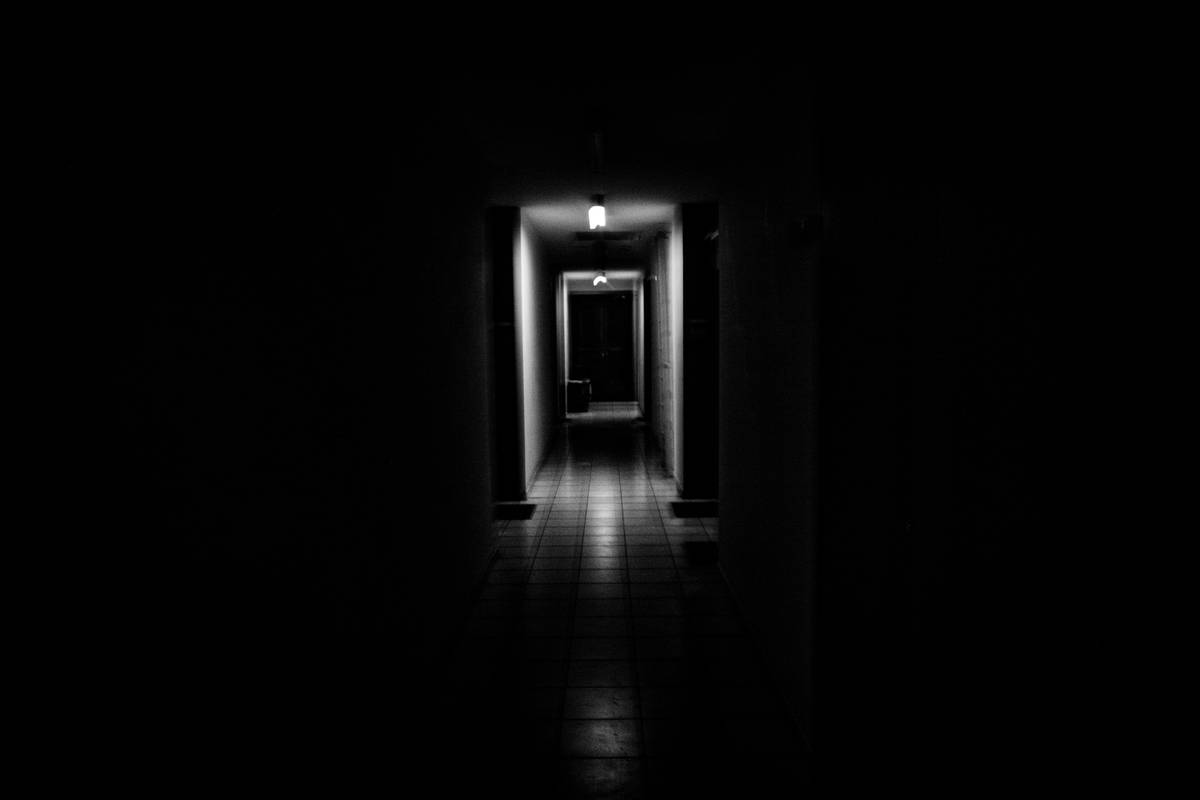
P.T. (Playable Teaser) remains the gold standard. With no HUD, no weapons, and looping hallways that subtly mutated, it weaponized routine. Players reported genuine anxiety after repeated playthroughs—a testament to its mastery of the features of a psychological horror.
Likewise, Amnesia: The Dark Descent used light and sanity not as gameplay mechanics but as metaphors for mental collapse. Its journal entries, riddled with guilt and delusion, made players complicit in the horror.
These titles succeed because they treat the player’s mind as the primary battlefield—not just the screen.
Frequently Asked Questions
What distinguishes psychological horror from supernatural horror?
Psychological horror stems from internal conflict, distorted perception, or human malice—often with plausible deniability. Supernatural horror relies on ghosts, demons, or otherworldly entities as explicit threats.
Can psychological horror include jump scares?
Rarely—and only if they serve narrative disorientation (e.g., a hallucination). Overuse breaks immersion and signals lazy design.
Is “Silent Hill” psychological horror?
Yes. Its fog-shrouded town reflects protagonist trauma, monsters symbolize guilt, and multiple endings hinge on psychological states—not combat prowess.
Do I need a big budget to create psychological horror?
No. Atmosphere hinges on writing, sound, and clever design—not polygons. Free tools like Unity or Godot support compelling experiences if the concept is tight.
How do I avoid clichés in psychological horror games?
Focus on original motivations. Instead of “escaped asylum patient,” explore grief-induced psychosis or corporate gaslighting. Human fears are endlessly varied.
Where can I learn more about ethical game design in horror?
Review our Privacy Policy for data handling standards, and explore academic resources like the IGDA’s guidelines on trauma-informed mechanics.
Conclusion
Mastery of the features of a psychological horror lies not in what you show, but in what you imply. It’s the pause before a door creaks, the diary entry that contradicts your memory, the silence that screams louder than any monster. When done right, it lingers long after the credits roll—because it never truly ends in-game; it migrates into your thoughts.
If you’re designing your own horror experience—or analyzing what makes one unforgettable—we’d love to hear your story. Reach out via our Contact Us page. And for more on our creative philosophy, visit About Us.
Beware the mirror. Sometimes, the real horror is realizing you’ve been inside it all along.