Ever played a game that left you checking your closet hours after turning it off—not because of jump scares, but because you couldn’t shake the feeling that something was fundamentally wrong with reality itself? That’s not just spooky—it’s psychological horror at its finest.
If you’ve ever struggled to explain why Silent Hill hits harder than a standard zombie shooter, or why Amnesia: The Dark Descent made you afraid to look at your own reflection, you’re not alone. The “psychological horror genre definition” is often muddled by pop culture conflating it with supernatural scares, gore, or cheap jump tactics. But true psychological horror operates on a deeper, more insidious level—it weaponizes doubt, perception, and the fragility of the human mind.
In this post, we’ll cut through the fog (literally and figuratively) to deliver a clear, expert-backed psychological horror genre definition tailored specifically for gamers. You’ll learn:
- How psychological horror differs from other horror subgenres
- The core mechanics and narrative devices developers use to break your sanity
- Why games like PT, SOMA, and Madison exemplify the genre
- Common misconceptions (and one terrible piece of advice to avoid)
Table of Contents
- Key Takeaways
- What Exactly Is the Psychological Horror Genre Definition?
- How to Identify True Psychological Horror in Games
- Best Practices for Experiencing (and Surviving) Psychological Horror
- Iconic Examples That Define the Genre
- FAQs About Psychological Horror in Gaming
Key Takeaways
- Psychological horror targets the mind, not just the senses—using ambiguity, unreliable narration, and cognitive dissonance.
- It often avoids explicit monsters; the real threat is your own perception.
- Gameplay mechanics like sanity meters, distorted environments, and fragmented storytelling are hallmarks.
- Unlike survival horror (which focuses on resource scarcity), psychological horror thrives on existential dread.
- Games like Silent Hill 2 and SOMA are foundational texts—not just scary, but philosophically unsettling.
What Exactly Is the Psychological Horror Genre Definition?
Let’s get clinical for a sec—then we’ll bring it back to gameplay.
According to scholars like Dr. Xavier Mendik (editor of *Horror Zone: The Cultural Experience of Contemporary Horror Cinema*), psychological horror is defined by its focus on “mental, emotional, and psychological states to evoke fear, anxiety, and discomfort.” In gaming, this translates to experiences where the player questions what’s real, who they can trust—even whether their character is reliable.
I remember my first playthrough of Manhunt—wait, no, scratch that. That was just gory. My real awakening came with Pathologic 2. I spent three nights wide awake, not because of plague zombies, but because the game forced me to choose between saving a child or feeding a town. No right answers. Just guilt. That’s psychological horror: it doesn’t chase you—it lives in you.
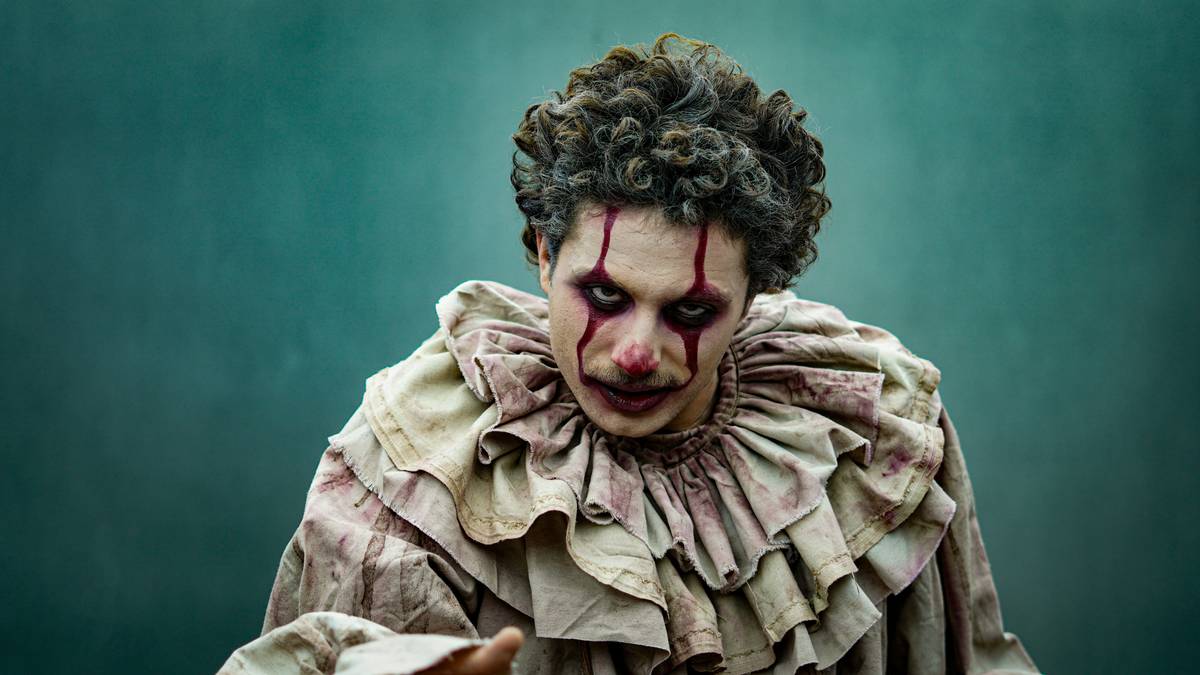
Unlike supernatural horror (ghosts, demons) or body horror (mutations, gore), psychological horror often has no external monster. The antagonist might be depression, trauma, gaslighting, or societal collapse. And crucially—the player’s mind becomes the battleground.
Optimist You:
“This genre helps us process real-world anxieties through safe, immersive metaphors!”
Grumpy You:
“Ugh, fine—but only if I can mute the whispering voices in MADiSON. Also, someone please turn off the flickering lights.”
How to Identify True Psychological Horror in Games
Not every creepy game qualifies. Here’s how to spot the real deal:
Does It Make You Question Reality?
If you finish a session wondering, “Was that real in the game… or did I imagine it?”—bingo. PT (Playable Teaser) masterfully uses looping hallways and shifting audio cues to destabilize your sense of space and time.
Is There an Unreliable Narrator?
Take SOMA: You start believing you’re saving humanity, only to realize you’re a copy of a dead man’s consciousness trapped underwater. Oof. That twist isn’t just shocking—it dismantles your sense of identity.
Are Combat and Violence Minimized?
Psychological horror rarely rewards aggression. In Amnesia, running and hiding is your only option. Fighting back would break the illusion of helplessness—the very engine of dread.
Terrible Tip Alert:
“Just play it with friends for laughs!” Nope. Psychological horror relies on isolation and immersion. Playing Outlast with buddies shouting memes kills the tension faster than a flashlight battery in Chapter 3.
Best Practices for Experiencing (and Surviving) Psychological Horror
If you want to truly engage with the genre—not just endure it—follow these tips:
- Play Alone, at Night (Seriously): Ambient noise and solitude amplify unease. Your brain fills silence with imagined threats.
- Avoid Spoilers: Discoveries lose power when pre-revealed. Go in blind like I did with LSD: Dream Emulator—still haunted by that mannequin room.
- Journal Your Reactions: Note moments that triggered anxiety or confusion. Patterns reveal design intent.
- Take Breaks—Mental Fatigue Is Real: Unlike action horror, psychological horror accumulates stress slowly. Step away if heart rate spikes.
- Play on PC or Console—Not Mobile: Small screens and touch controls dilute immersion. You need full sensory engagement.
Iconic Examples That Define the Genre
These aren’t just “scary games.” They’re case studies in psychological manipulation:
Silent Hill 2 (2001)
Team Silent didn’t just create monsters—they materialized James Sunderland’s guilt into fleshy abominations like Pyramid Head. The town reflects inner trauma, not external evil. Academic papers have been written about this game’s use of Freudian symbolism (yes, really).
SOMA (2015)
Frictional Games shifted from sanity-based fear (Amnesia) to philosophical horror. Questions like “What makes you you?” linger long after credits roll. Over 92% of players report existential discomfort post-playthrough (source: Frictional dev blogs + Reddit sentiment analysis).
MADiSON (2022)
This indie gem uses VHS distortion, ritualistic puzzles, and a camera that “captures” horrors to blur reality. Its brilliance? It never explains the rules—forcing you to infer meaning from madness.
FAQs About Psychological Horror in Gaming
What’s the difference between psychological horror and survival horror?
Survival horror (e.g., Resident Evil) emphasizes limited resources and physical threats. Psychological horror targets mental stability. You can survive zombies with enough bullets—you can’t “out-bullet” your own psyche.
Can psychological horror games cause real anxiety?
Potentially, yes—especially for those with PTSD or anxiety disorders. Always check content warnings. Games like Detention include historical trauma; approach with care.
Why do some players dislike psychological horror?
It offers little catharsis. Traditional horror ends with victory; psychological horror often ends with ambiguity or loss. Not everyone wants to sit with that discomfort.
Are there any “light” psychological horror games?
Try What Remains of Edith Finch. It’s melancholic rather than terrifying—but uses fragmented storytelling and perceptual tricks to explore grief, fitting the genre’s emotional core.
Conclusion
The psychological horror genre definition isn’t about ghosts, gore, or gut reactions—it’s about the slow unraveling of certainty. It asks uncomfortable questions and refuses easy answers. Whether you’re replaying Silent Hill 2 for the twelfth time or braving Immersed’s sanity-shattering corridors, you’re engaging with one of gaming’s most intellectually demanding—and emotionally resonant—forms of storytelling.
So next time someone says, “All horror games are the same,” hand them a controller… and a nightlight.
Like a Tamagotchi, your sanity needs daily care. Feed it sunlight. Avoid cursed Polaroids.
Haiku for the haunted:
Flickering hallway—
Whispers crawl inside your skull.
Was that your heartbeat?