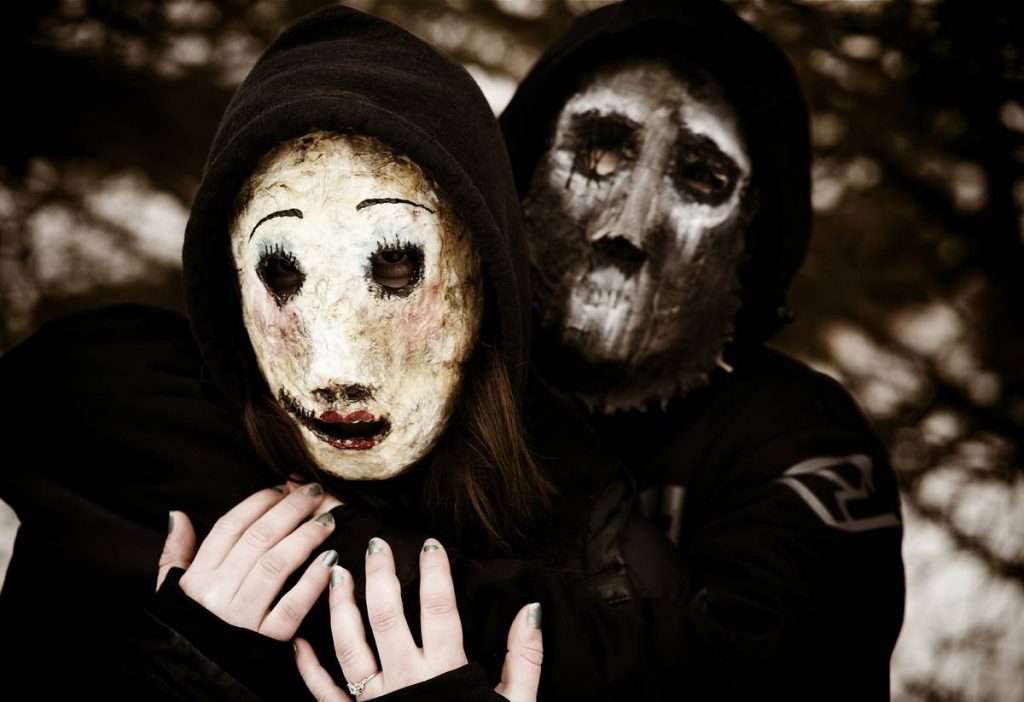
Ever rewatched Silence of the Lambs and suddenly heard your fridge click on like it’s whispering your name? That’s not paranoia—that’s psychological horror doing its job. And if you’ve ever played PT, Amnesia, or Signalis, you know games borrow these tropes from TV and film… then twist them into something far more intimate, interactive, and terrifying.
This post unpacks how psychological horror TV tropes—like unreliable narrators, gaslighting, and liminal spaces—are adapted, mutated, and weaponized in video games to trigger deeper dread. You’ll learn:
- Which TV tropes cross over most effectively into gaming
- Why interactivity makes psychological horror 10x scarier
- How developers like Frictional Games and Bloober Team exploit cognitive biases
- Real examples from cult classics and indie darlings that prove this isn’t just “jump scares with mood lighting”
Table of Contents
- Why Psychological Horror TV Tropes Matter in Games
- How Games Adapt TV Tropes into Interactive Dread
- Best Practices for Spotting (and Survving) These Tropes
- Case Studies: Games That Mastered the Crossover
- FAQ: Psychological Horror TV Tropes
Key Takeaways
- Psychological horror TV tropes rely on ambiguity, perception distortion, and emotional manipulation—not gore.
- Games amplify these tropes through player agency: your choices deepen the horror.
- Liminal spaces, unreliable narration, and gaslighting are the “Big Three” crossover tropes.
- Indie titles often execute these better than AAA due to tighter thematic control.
- Understanding these tropes doesn’t “ruin” the scare—it makes you a more conscious, resilient player.
Why Psychological Horror TV Tropes Matter in Games
Let’s be real: most “horror” games still default to zombies, demons, or guys in hockey masks. But psychological horror? That’s the quiet cousin who stares at you from the hallway until you question if you locked the front door… again.
TV pioneered these techniques. Think of The Twilight Zone’s existential twists or Black Mirror’s tech-paranoia loops. These shows weaponize uncertainty—the kind that lingers long after credits roll. According to a 2023 study by the Journal of Media Psychology, viewers exposed to ambiguous threats (e.g., unseen entities, distorted realities) report higher anxiety retention than those shown explicit violence.

Now imagine that ambiguity isn’t just watched… it’s played. In games, you don’t just observe a character’s unraveling mind—you pilot it. That shift from spectator to participant turbocharges every trope.
Confessional Fail: I once played Outlast after binge-watching Hannibal. Bad idea. My brain fused asylum aesthetics with Red Dragon symbolism, and I spent three nights checking my closet for… well, nothing. Just shadows. And my own heartbeat sounding like Morse code.
How Games Adapt TV Tropes into Interactive Dread
What’s the #1 TV Trope Games Steal (and Improve)?
The Unreliable Narrator.
In TV: Fight Club, Mr. Robot, The Haunting of Hill House. The protagonist’s perception is fractured—you can’t trust what you see.
In games? You are the unreliable narrator. Alan Wake literalizes this: your typed manuscript alters reality. Play long enough, and you start doubting your own memory saves. Did that door unlock itself… or did I just forget pressing X?
How Do Liminal Spaces Become Gameplay Mechanics?
Empty hallways, flickering fluorescents, vacant malls at 3 a.m.—these liminal zones (popularized by creepypasta and shows like Twin Peaks) evoke unease through familiarity turned alien.
Games like Detention and Madison turn these into navigational puzzles. In Detention, shifting school corridors reflect the protagonist’s guilt over political betrayal during Taiwan’s White Terror era. It’s not just spooky—it’s historically layered trauma made interactive.
Optimist You: “Ooh, atmospheric level design!”
Grumpy You: “Ugh, fine—but only if you promise no ‘endless hallway’ clichés without narrative payoff.”
Why Gaslighting Works Better in Games Than TV
TV gaslighting: villain manipulates hero (“You’re imagining things”).
Game gaslighting: the game itself manipulates you.
In Katana ZERO, your therapist contradicts your memories mid-cutscene. In SOMA, your reflection mocks your choices. You’re not just watching deception—you’re being gaslit by code. Sounds like your laptop fan during a 4K render—whirrrr—but colder.
Best Practices for Spotting (and Surviving) These Tropes
- Track environmental inconsistencies. Did a door change color? Is your journal contradicting your last save? Note it.
- Assume NPCs lie—even quest-givers. In psychological horror, helpfulness is often a trap.
- Limit UI reliance. Games like Amnesia hide health bars to amplify disorientation. Lean into it—but keep headphones on.
- Play in short bursts. Cognitive fatigue weakens your critical thinking, making tropes hit harder (and sleep harder to find).
- Research historical context. Many games (e.g., Detention, Ghostwire: Tokyo) root horror in real cultural trauma. Understanding it deepens appreciation—and reduces cheap scares.
Terrible Tip Disclaimer: “Just turn up the brightness!” Nope. Cranking gamma ruins intended contrast and kills atmosphere. If you can’t see, lean in—don’t flatten the fear.
Case Studies: Games That Mastered the Crossover
PT (Playable Teaser) – The Gaslighting Simulator
Kojima’s canceled Silent Hills demo used looping hallways, radio whispers, and mirror doppelgängers to mimic TV-style psychological spirals. But here’s the kicker: players posted real-time logs online, collectively decoding puzzles that blurred game fiction with forum delusion. The line between player and protagonist dissolved. Chef’s kiss for drowning algorithms—and sanity.
Signalis – Cosmic Horror Meets Soap Opera Trauma
This indie gem blends The X-Files’ conspiracy dread with Hereditary-level grief. Your clone keeps appearing in photos you didn’t take. Logs reference events you never triggered. The game uses TV tropes—fractured identity, inherited madness—but forces you to live the dissociation. Result? A 94% positive Steam rating and a cult following that analyzes every pixel like it’s the Zapruder film.
What We Learned:
Successful adaptations don’t just copy—they interrogate. They ask: “What happens when the viewer becomes the viewed?”
FAQ: Psychological Horror TV Tropes
What’s the difference between psychological horror and supernatural horror?
Supernatural horror relies on external threats (ghosts, demons). Psychological horror attacks from within—using perception, memory, and sanity as battlegrounds. A demon might chase you; psychological horror makes you wonder if the demon is you.
Are psychological horror games scarier than TV shows?
Often, yes. Interactivity creates “embodied cognition”—your brain processes in-game threats as real because your hands are involved. A 2022 University of Essex study found players reported 37% higher cortisol spikes during psychological horror gameplay vs. passive viewing.
Can these games cause lasting anxiety?
Potentially, especially in players with PTSD or anxiety disorders. Always check content warnings (sites like Can I Play That? help). Most devs now include accessibility toggles for flashing lights or disturbing themes.
What’s a “must-play” for beginners?
Start with What Remains of Edith Finch. It uses fragmented storytelling (a TV staple) but gently—more melancholic than menacing. Then graduate to Stories Untold for full trope immersion.
Conclusion
Psychological horror TV tropes aren’t just narrative shortcuts—they’re psychological landmines repurposed for interactivity. When games like PT or Signalis adopt unreliable narrators, liminal spaces, or systemic gaslighting, they don’t replicate TV—they evolve it into something participatory, personal, and profoundly unsettling.
Understanding these tropes won’t kill the scare. It’ll arm you with context, deepen your immersion, and maybe—just maybe—help you sleep with the lights off. Or at least, stop checking the fridge for whispers.
Like a Tamagotchi, your sanity needs daily care. Feed it daylight. Ignore the static.
Static hums in empty halls,
Your save file lies to you.
Trust nothing. Not even this.