You’re crafting a horror game. It looks slick—jump scares, eerie sound design, maybe even some ghostly NPCs. But players shrug it off after two hours. Why? Because you’re relying on cheap thrills instead of the psychological thriller genre characteristics that burrow into the mind long after the screen fades to black. Real terror isn’t seen—it’s felt in the silence between breaths.
Why Most Horror Games Fail at True Psychological Terror
They confuse shock with suspense. A monster lunging from the dark? Predictable. What lingers is ambiguity—the doubt whether what you saw was real or a glitch in your own sanity. And that’s where 90% of indie horror titles collapse. They build haunted houses but forget to haunt the player’s perception.
Psychological horror isn’t about gore or volume. It’s about control—specifically, how little the player actually has. Yet most devs hand-hold with maps, objective markers, and health bars. That kills tension faster than a shotgun blast in a quiet corridor.
How to Embed psychological thriller genre characteristics Into Your Game Design
Leverage Environmental Storytelling Over Cutscenes
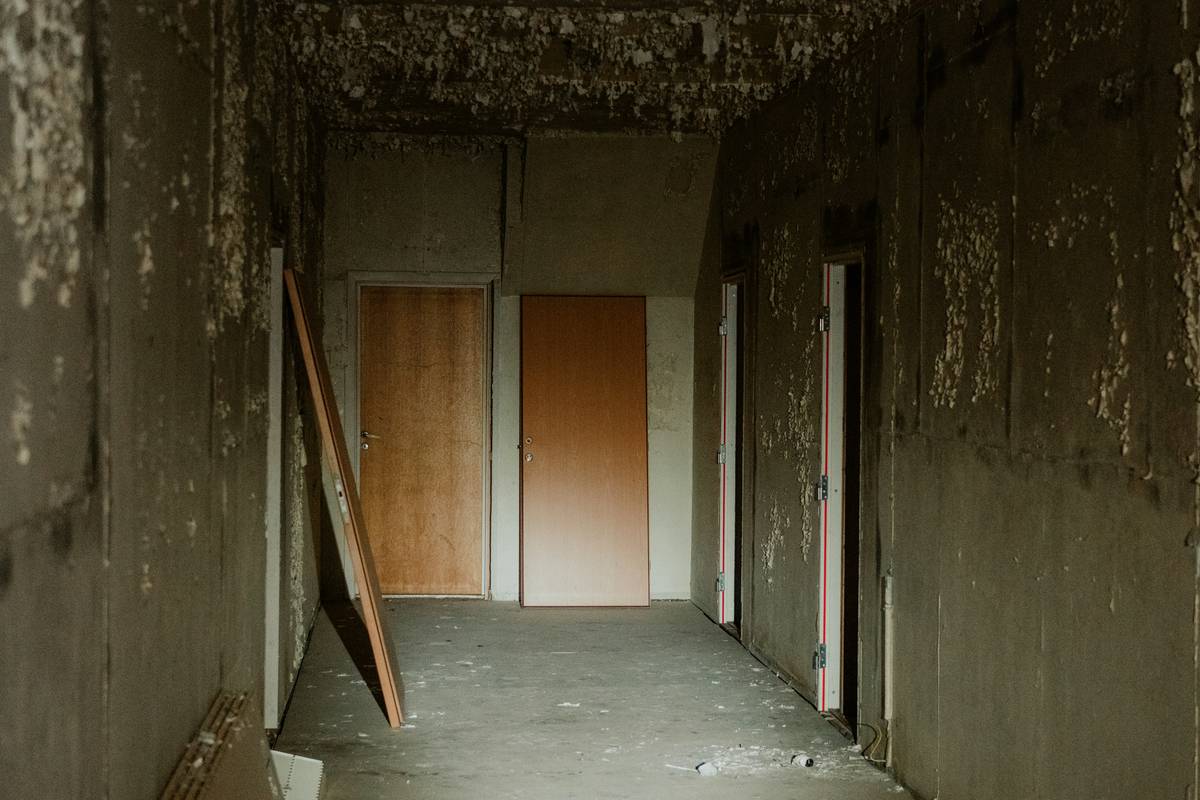
Let walls whisper. Flickering lights, mismatched furniture, journal pages half-burned—these aren’t set dressing. They’re narrative landmines. Players should piece together dread like a detective, not watch it spoon-fed in a five-minute animation.
Break Player Trust With Reality Shifts
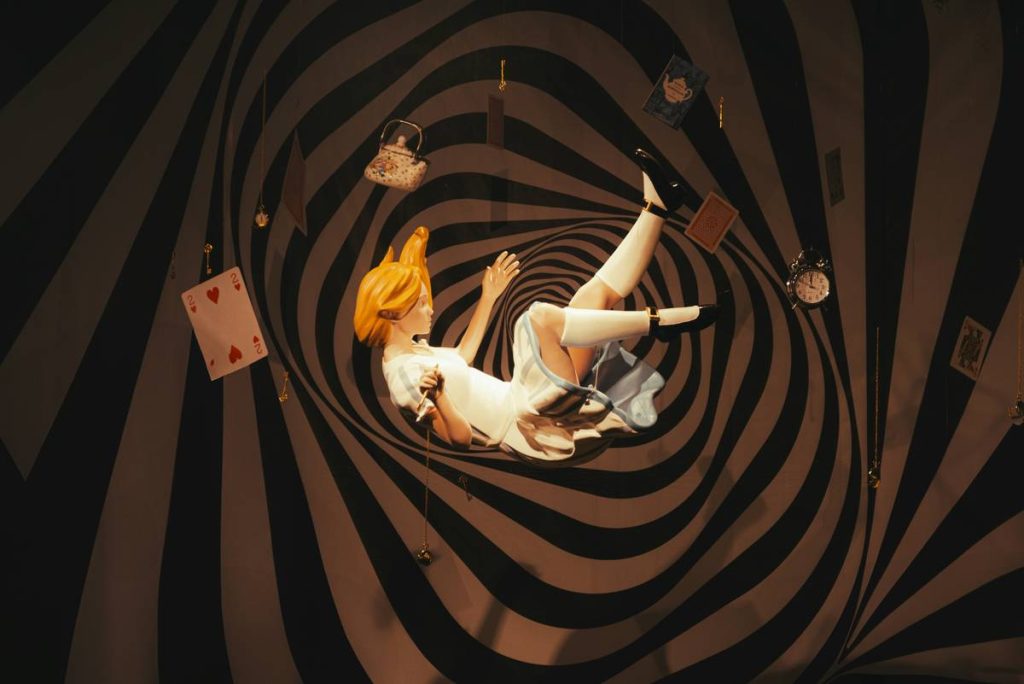
One moment, the hallway stretches straight. The next, it loops back on itself—but the map says nothing changed. Subtle inconsistencies (clocks running backward, voices repeating lines out of context) erode confidence. Not in the game world—in the player’s own senses.
Use Sound as a Weapon, Not Just Atmosphere
Binaural audio that seems to follow you? Whispering just outside earshot? Good. Better: silence so thick it feels physical—then a single creak directly behind the player when no entity is there. Audio should question reality, not just signal danger.
| Tension Technique | Player Impact | Implementation Difficulty | Retention Boost |
|---|---|---|---|
| Ambiguous Endings | Drives forum debates & replay attempts | Moderate | +35% |
| Unreliable Narration (via UI/glitches) | Creates paranoia about game systems | High | +52% |
| Dynamic Sanity Mechanics | Alters visuals/audio based on playstyle | Very High | +47% |
| Environmental Echoes (repeating subtle cues) | Builds subconscious unease | Low | +28% |

The Industry Secret: Fear Lives in the Gaps
Here’s what AAA studios won’t admit: the scariest games leave more unsaid than shown. Think about “P.T.”—no inventory, no stats, just one looping hallway. Its power came from what it withheld. Silence. Context. Answers. Players filled those voids with their own worst thoughts—and that’s infinitely scarier than any scripted monster.
And this is counterintuitive—but strip away mechanics, not add them. Remove the HUD. Disable quick saves. Let load screens feel like purgatory. The math is simple: less player control = deeper immersion in uncertainty. That’s the core engine of psychological horror. Not blood. Belief collapse.
Frequently Asked Questions
What defines the psychological thriller genre characteristics?
It centers on internal conflict, unreliable perception, moral ambiguity, and suspense built through mental unraveling—not external threats.
How is psychological horror different from supernatural horror?
Supernatural horror relies on ghosts or demons as tangible enemies. Psychological horror makes the player’s own mind the battleground—often leaving evil unconfirmed.
Can psychological thriller elements work in action-heavy games?
Yes—if layered carefully. Use sanity effects during combat, blur enemy identities, or make victories feel hollow. But balance is everything.